ECU Calibration
ECU tuning built around the car, the parts, and the goal.
More power is only useful when the calibration matches the engine, fuel, turbo setup, transmission behavior, supporting hardware, and how the car is actually driven.
Service Path
The best tune is not just a bigger number. It needs to feel right, respond cleanly, and make sense for the hardware.
Before recommending a calibration path, we look at the current setup, tuning access, fuel type, modifications, maintenance condition, and whether the car needs diagnostic work first.
Platforms
Built around the exact car.
Every platform has its own software access, fuel, hardware, drivetrain, and validation needs. These are the vehicle families and service paths we commonly plan around in the shop.
Supported Platforms
Service Area
What This Can Include
Clear scope before the car gets touched.
Safe horsepower and torque gains for the vehicle setup.
Throttle response and drivability, not just peak dyno numbers.
Fuel, boost, torque management, and transmission behavior where supported.
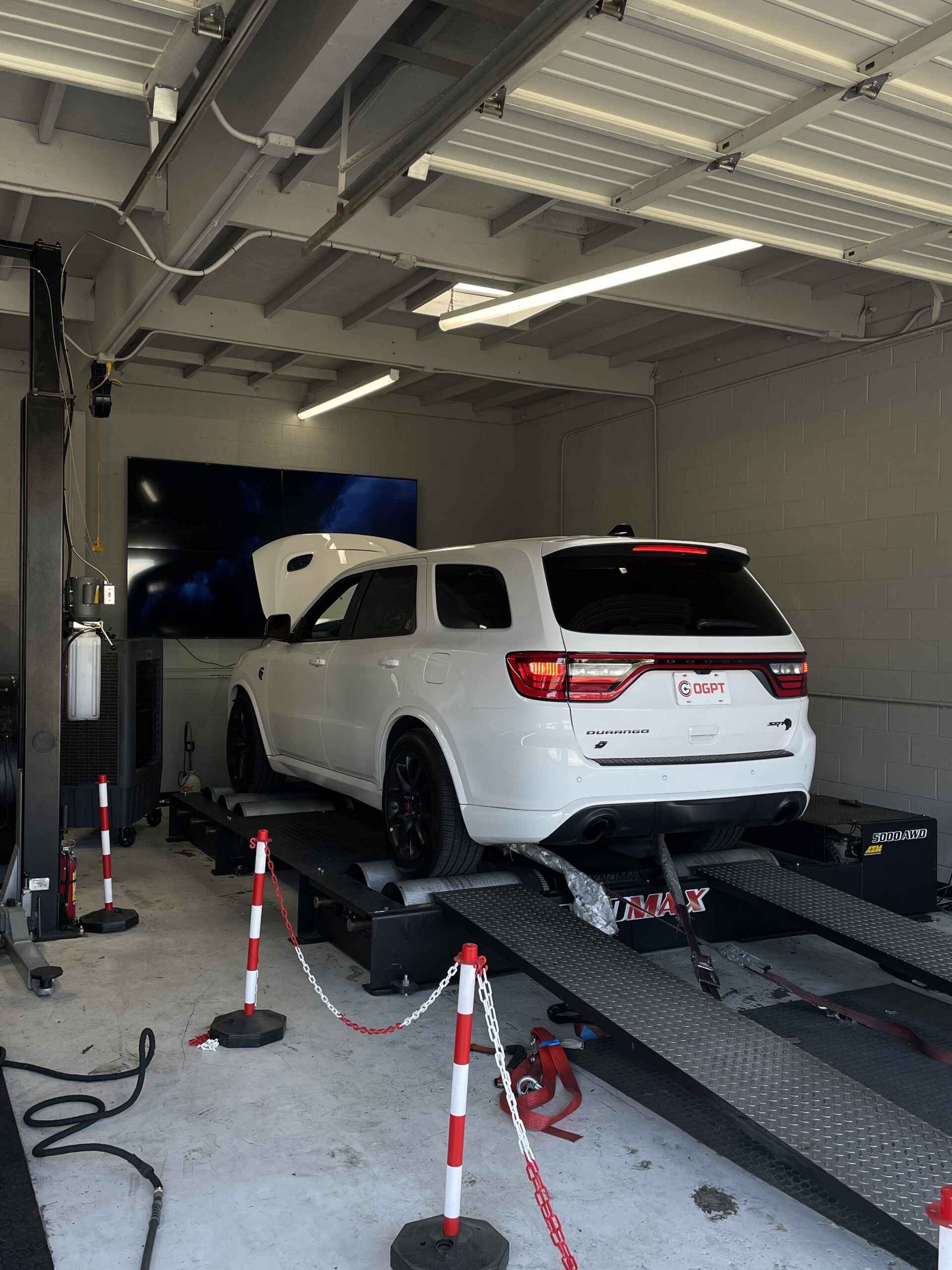
Baseline data and dyno validation when the project needs it.
How We Move
Simple steps. Less mystery.
Questions
What customers usually ask.
What is the difference between ECU tuning and dyno tuning?
ECU tuning changes calibration behavior. Dyno tuning or dyno validation measures how the vehicle responds under controlled load before and after changes.
Do you use one generic tune for every car?
No. We review the vehicle, fuel, parts, ECU access, and goals so the calibration path fits the exact setup.
Can you tune cars with bolt-ons or upgraded turbos?
Where supported, yes. The correct path depends on fuel, hardware, ECU access, and whether the car needs baseline data first.
Ready when you are
Calibration / Dyno / Builds